
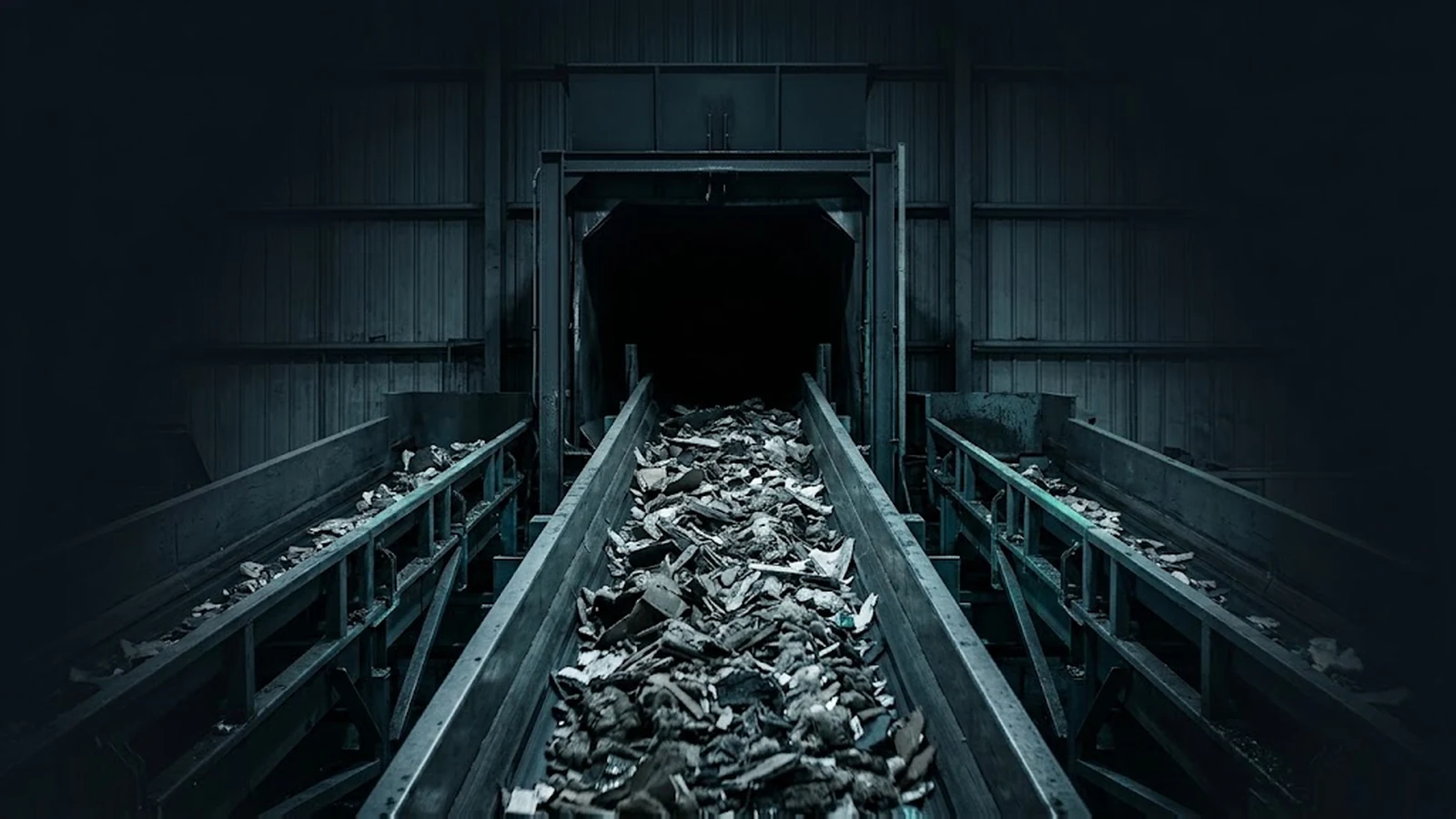
Ask an operations team where their cardboard goes and you will usually get a confident answer about recycling. Ask how they know, and the conversation changes. The invoice says a container was collected. What happened after that is, for most businesses, genuinely unknown.
This is not negligence. Visibility ends at the gate because that is where responsibility has traditionally been contracted out. But it means decisions about material use are being made without knowing what happens to the material.
Start with one stream, not all of them
A full material inventory is a large project and usually the wrong place to begin. One stream, followed properly, teaches more than a comprehensive list compiled from invoices.
Pick the stream that is largest by volume, most expensive to handle, or most frequently complained about. Any of the three will do.
Follow it backwards, then forwards
Backwards, to where it is generated. Not where it is collected — where it originates. Walk the route in reverse from the container to every point producing that material. This is where the first surprise usually appears: a stream assumed to come from one process turns out to come from four, one of which nobody had considered.
Forwards, to where it ends. Who collects it. Where it is taken. What happens at that facility. Whether it is sorted, and what fraction is rejected. What the rejected fraction costs, and who pays.
Each step should have a name attached to it. Where you cannot name the party, you have found the boundary of your actual visibility — which is useful information in itself.
What the exercise reliably reveals
Material is being mixed that did not need to be. Two clean streams combined into one contaminated stream, usually because the right container was inconvenient at the moment of disposal.
The invoice describes collection, not generation. The quantity you are charged for reflects container size and collection frequency, not what your operation actually produced.
Some of it was never waste. Offcuts, overs, returns and packaging that arrived and left without being used. These appear in the waste stream but belong to a purchasing or process conversation.
One handling decision determines the destination. Frequently a single point — a bin's position, a shift handover, a container that fills before collection — decides whether a stream has value or cost.
Writing it down so it is usable
For each step, record the material, the point, the party responsible, the approximate quantity, and your evidence for that quantity. Where you are estimating, write estimate. A map that distinguishes measured from assumed is far more useful than one that looks uniformly confident, because the assumptions are where the next piece of work lives.
What to do with the map
Three questions, in order:
- Where in this chain is material mixed that could stay separate?
- Where is material generated that need not be generated at all?
- Where does the chain become invisible, and what would make it visible?
The third question is usually the one that changes a contract.
Then tell someone
Map one stream and you will have something specific to discuss — not an ambition, but a route with gaps in it. That is the conversation we find useful.
Which stream did you pick, and where did the map stop? If you want a second pair of eyes on it, see what a waste audit covers to decide whether a formal assessment is the right next step.
Written by ezero-waste. Any measured result carries its own scope and evidence.
Common questions
Where do I start if we have many streams?
Pick one — the largest by volume, the most expensive to handle, or the one that generates most complaints. One stream followed properly teaches more than a full inventory compiled from invoices.
Our contractor says it is recycled. Is that enough?
It tells you what was collected, not what happened afterwards. Ask where it goes, what fraction is rejected at the facility, and who pays for the rejects.
How long does mapping one stream take?
Usually days rather than weeks, because most of the work is walking the route and asking who handles the material at each step.