
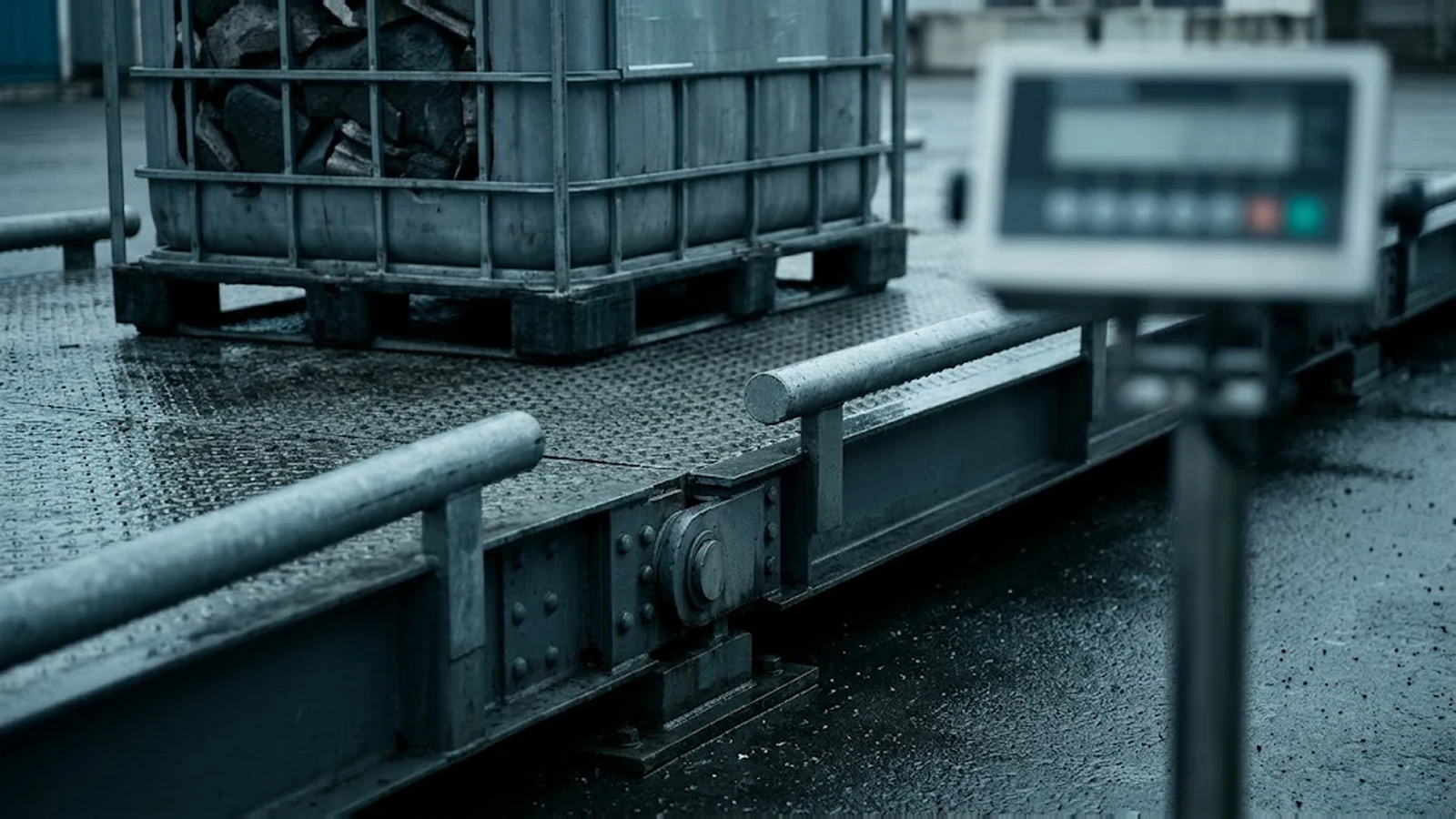
A diversion rate is a simple fraction: material diverted from disposal, divided by material generated. Both numbers are harder to establish than the formula suggests, and almost every dispute about a reported figure is a dispute about one of them.
The denominator is the hard part
"Material generated" is rarely measured. What gets measured is material collected, which differs from generated by whatever was reused on site, returned to a supplier, sold as a by-product, or accumulated in a yard waiting for a decision.
If your denominator comes from collection invoices, say so. A figure described as "based on contractor collection data" is defensible. The same figure presented as total generation is not, and the difference only surfaces when someone audits it.
Choose a method, then stay with it
| Method | Strength | Weakness |
|---|---|---|
| Weighed at gate | Actual mass, auditable | Needs a weighbridge or weighed collections |
| Contractor reported | Available, low effort | Often estimated from container volume |
| Volumetric estimate | Works without weighing | Density assumptions dominate the result |
| Sampling and extrapolation | Reveals composition | Sensitive to when the sample was taken |
Switching method between periods breaks comparability. If you must change, report both for one overlapping period so the step change is visible and explainable.
State the boundary
A diversion figure means nothing without a stated boundary. Which sites. Which streams. Does it include construction waste from a one-off refurbishment? Hazardous streams? Material that left as a by-product sale?
Including a one-off demolition can transform a rate, which is why boundaries should be fixed before the number is calculated rather than after it is seen.
Separate the rate from the reason
A diversion rate that improves can mean three different things:
- More material is being diverted — genuine progress
- Less material is being generated, with the diverted portion unchanged — also progress, but a
different kind
- Production fell — no progress at all
Report the rate alongside absolute tonnage and a production or throughput denominator. Together those three distinguish the cases; alone, the rate cannot.
Handle the uncomfortable fractions
Contamination rejects. Material sent for recycling and rejected at the facility has not been diverted. If your figure counts it at the gate, it is an estimate of intent rather than outcome. Ask your contractor for reject rates; where they cannot supply them, state that limitation.
Energy recovery. Whether incineration with energy recovery counts as diversion is a definitional choice, not a fact. Make the choice explicitly and apply it consistently.
Stored material. Material accumulated on site awaiting a route is neither disposed nor diverted. Holding it out of both numbers is usually the honest treatment.
Write down the method once
A short methodology note — boundary, sources, treatment of rejects and energy recovery, baseline period, units — takes an hour and answers most future challenges before they are made. Attach it to every report.
What good reporting looks like
A number, the method, the boundary, the period, and the known limitations. Five elements. A figure presented without them invites exactly the scrutiny it was meant to withstand.
Our position on this is the same as our position on the word zero: it describes an ambition, and any measured result still needs its own scope and evidence.
What does your current figure rest on — weighed data, or an invoice? That answer determines how much work the number can be asked to do.
Written by ezero-waste. Any measured result carries its own scope and evidence.
Common questions
Why is the denominator the hard part?
Because material generated is rarely measured — what gets measured is material collected, which differs by whatever was reused, returned, sold or stockpiled.
Does energy recovery count as diversion?
That is a definitional choice, not a fact. Make it explicitly and apply it consistently, and state it wherever the figure appears.
What makes a figure defensible?
Five things stated together: the number, the method, the boundary, the period and the known limitations.